

Welcome, aspiring polyglot! Nearly every day someone asks me if they should be using flashcards and my answer has been the same for years now: probably not. There are use cases for flashcards, to be sure, but using them to learn a new language is neither effective nor efficient. In fact, you may be hurting yourself more than you are helping.
Why they hurt language progress
Flashcards have been used in education settings for as long as people have been able to write. To a certain extent, they are incredibly beneficial and can help people memorize things. However, learning a language entails far more than memorization. You could, for example, memorize every single word in a language and still live your life unable to speak the language.
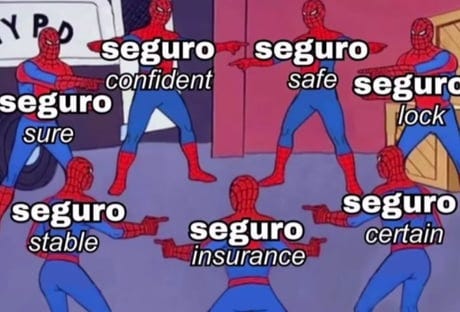
The reason why is deceptively simple: words have more than one meaning. This is especially true when taking into account the myriad of expressions you will inevitably encounter as you progress further into your target language. Let’s look at just a few examples to demonstrate the point:
Get
How many different ways can you think of to use the word ‘get’? Did you get enough? I think you will get the promotion. What grades did you get? Don’t get upset! Get away from the road. Get up it’s time to go! So, when you make flashcards, what do you put as the translation for ‘get’?
Run
I have to run some errands. Maybe after I will go for a run. I’ll follow the way the river runs. Hopefully we don’t run out of stock. It would be a shame to find a run in my stockings. But perhaps we can run the program when I get home. In the long run it will all work itself out.
Set
Where did you get that chess set? Can you set the table before the sun sets? Set aside the preconceived notions you had. Please set that cup down before it spills. Let me know when you have set the parameters for the experiment. Once you have we can set sail. This sets the perfect precedent for future ventures.
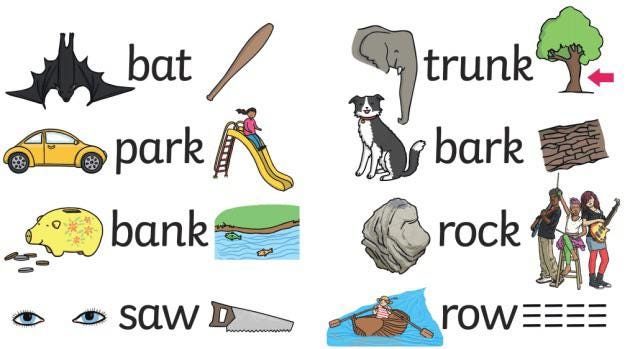
Dozens, if not hundreds, of examples in just these 3 words. Let alone the hundreds of others whose definitions change depending on the context of a given sentence. If you only know “run” as the verb for to “move at a speed faster than walking, never having both or all feet on the ground at the same time”, then when someone asks you how the program is running you will freeze.
The fancy word for all of this is polysemy or the ability of a word to have multiple definitions or meanings. Without any other factor, this is reason enough to shy away from flashcards during your language studies. There are, however, niche cases where they can and will serve you. Just remember that there is a point of diminishing returns where you would be better served learning phrases.
Times when they are useful
If you are going to use flashcards, it should be for things that you are truly struggling to grasp even after looking at them for days or weeks. This is especially true for words that you find yourself searching for often. For any word that is part of your active vocabulary, doing whatever it takes to integrate that word into your target language speech or writing is worth the pain.
It may not always feel like it, but most of your memorization is going to come from your own work. In fact, the act of physically writing out flashcards may well be more impactful than reviewing them is. This is something you lose when you take to making digital flashcards which is something I would highly recommend avoiding if possible.
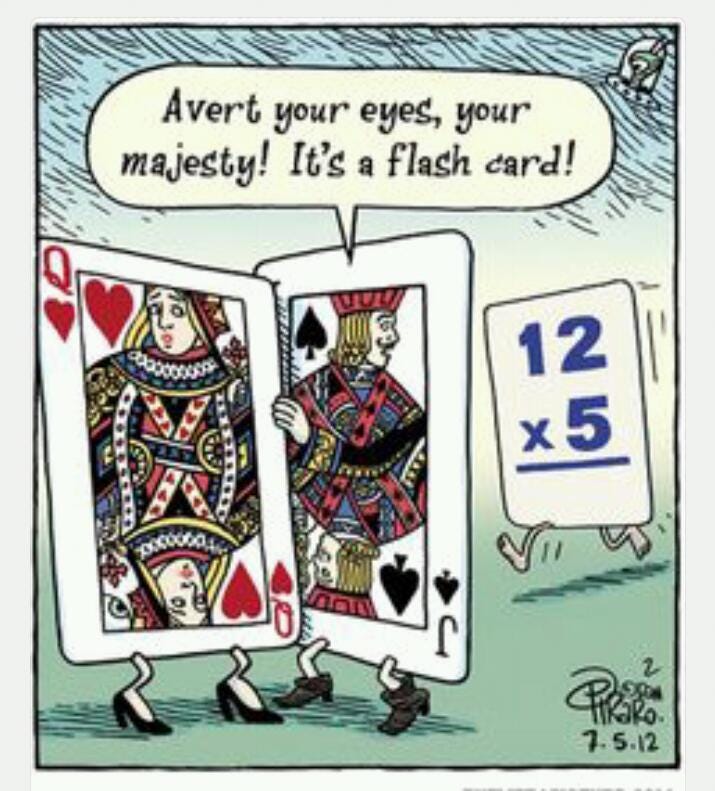
![Shitpost] Just shove dem flashcards : Second Language Strategies](https://substackcdn.com/image/fetch/$s_!cE_M!,f_auto,q_auto:good,fl_progressive:steep/https%3A%2F%2Fsubstack-post-media.s3.amazonaws.com%2Fpublic%2Fimages%2F9712c9de-d04e-41fc-a8dc-9f425510f103_640x562.png "Shitpost] Just shove dem flashcards : Second Language Strategies")
Another use case is for specialty language. If you are a doctor or a lawyer or an engineer or generally in a field where there is certain language you will always be hearing, flash carding those words can be incredibly helpful. Of course, learning them by pattern is far quicker, but nothing bad can come from a little bit of reinforcement to lock down the things you already know.
Better options
Flashcards are a relic of the information bulimia incentivized by the public education system writ large. They are incredibly potent for memorization, especially if the goal is to access the information quickly for a short period of time. However, that is not what you should be looking to do with your target language.
Memorization is not the goal, integration is. Rather than building single word flashcards, being writing out short phrases. They do not have to be long, only 3-5 words. Seeing the words in context, interacting with other words, in incredibly helpful because you will rarely, if ever, encounter a single word out in the wild.
By contextualizing the word yourself you prepare yourself to see how others may contextualize the same word. Rather than writing one flashcard per word, think about your native language and truly stretch your mind to imagine all the ways in which you could successfully employ that word. From there you can make your phrase flashcards with ease.
Conclusion
One of the greatest pitfalls that language learners find themselves walking into throughout their journey is that of simplifying language. At a glance, language is deceptively simple. Especially one’s own native language. If nothing else, flashcards are excellent at shattering that faulty belief. Treat your target language, and your native language, with the deference they deserve.
You did not put all of this work in to “memorize” a language. Everything you are working towards is centered around making you a better, smarter, more well rounded person. That starts by moving beyond memorization and into integration. It is difficult, but you can do difficult things and be great, so get out and do some difficult things and become great. I am rooting for you.

If you’re stuck in the gap between understanding and speaking, you’re not alone, and you’re not broken. The Guides library (paid subscribers) includes structured output protocols designed to bridge exactly this gap, day by day.
The fastest way to break through is with someone who can hear you, correct you, and push you in real time. That’s what my private courses are built for. Read what students say about the experience.
Hey, that's pretty cool Great explanation for why flash cards aren't good for learning. They've been kind of useful for REALLY early stuff like basic vocabulary, or for things you see on signage (because those ARE singular words in isolation). I'm doing more with phrases and I think it's a lot better. Cheers, Odin.
btw your 'leave a comment' link is broken.