

Welcome, aspiring polyglot! I was recently speaking to someone who was looking for private classes for her children. As we were wrapping up the call, I mentioned that the book we would be reading during class is The Count of Monte Cristo in its original French. She seemed shocked. When I asked why, she told me that they were working on beginner story books. While I understand the reasoning, if there is an instructor involved I don’t see a reason to start that simple.
But I saw the movie
When I was a kid my parents had a strict rule. I could watch the movie, but I had to read the book first. We did this all the way through Harry Potter. To be perfectly honest, that really wasn’t my favorite thing. At least not at the time. As it turns out, reading the books before the watching the movies was one of the most valuable lessons that my parents taught me.
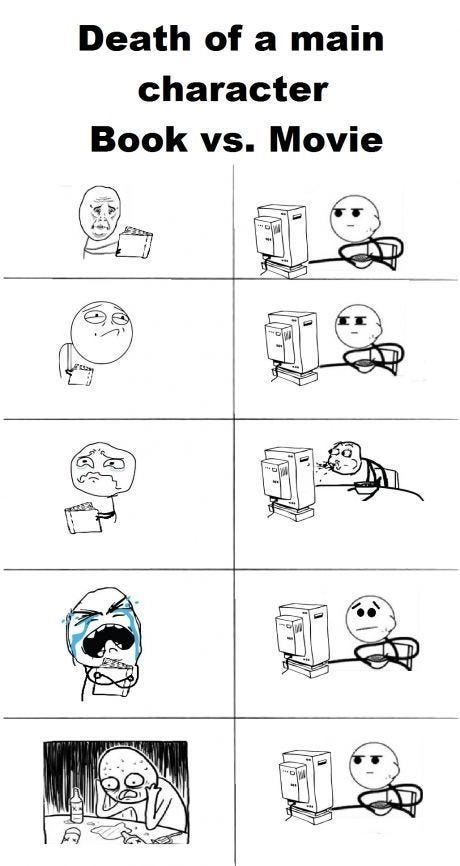
Set aside the fact that the movies are never as good as the books for a moment. The truly incredible part about this exercise is that it made the worlds even more real. I had already spent weeks living in the walls of Hogwarts, following along with characters and growing alongside them. By the time I watched the movie, I really felt like I had a good understanding of the new world.
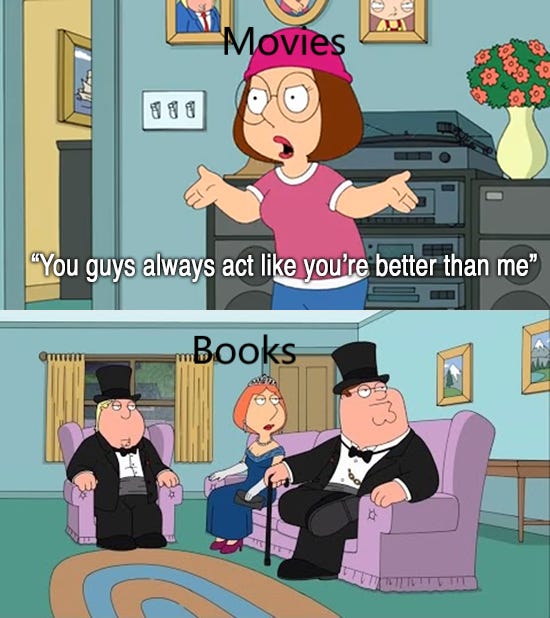
With regards to language, though, one of the main reasons that you should read the book in its original, much like Le Comte de Monte Cristo in its original French, is because translations are never as good as the original either. In a way, a movie is a translation of a book. Translating from written media to visual media. In theory that gives you more freedom, but in practice it is incredibly limiting.
This is even more true if you are watching a movie in a foreign language. Anyone who is able to read their target language will no doubt notice how often subtitles are mistranslated or, at the very least, poorly translated. Though they are useful, relying on them entirely can be ultimately detrimental to your language acquisition. As with everything, trust but verify.
Translation and interpretation
The reason you need to verify is because, at the end of the day, every single translation you encounter is an interpretation to a certain extent. Of course, some offenders are far worse than others, but even those with the best intention must at some point make the decision to choose between two words that mean almost the same thing.
You can facilitate something or you can make it easier. You can cool something off or you can chill it. You can be hungry or you can be famished. Every translation involves choices. Some translators work harder than others to maintain the author’s original intent. Irrespective of the best intentions in the world, there will always be multiple ways to say the same thing.
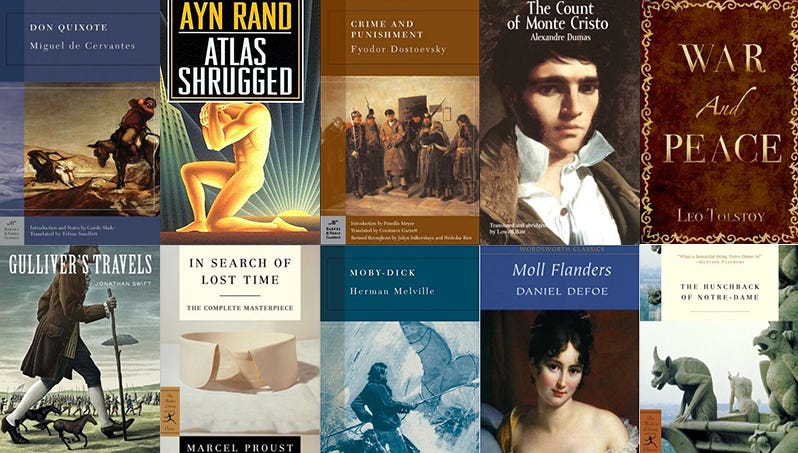
That said, one of the things that I always recommend to my adult students is to read something you have already read, just in their target language. As of right now I have students reading Harry Potter, Lord of the Rings, Game of Thrones, A The Picture of Dorian Gray, Atlas Shrugged, Count of Monte Cristo, I Am Pilgrim, The Pillars of Earth. Mostly in Spanish, but a few in French.
Without fail, when I introduce this idea to a new student, they look at me with fear in their eyes. My favorite…but after a month, they are confidently reading and, usually, enjoying the process. Even if they don’t enjoy it, no one disputes that reading in a new language is an incredibly potent sleep aid. Once they are able to read, it is time to shift from consumption to production.
Creating your own narrative
The first assignment I give every student I have is translating their favorite song in their target language into English. They do have the benefit of having me build them a personalized playlist, but often they bring me a song they have liked for a long time. This is a lightweight introduction into the next phase of their language acquisition journey.
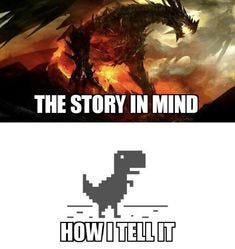
It is one thing to translate someone else’s words. It is another thing entirely to translate your own thoughts. For that reason, once we are into week 3 of class and we have worked through everything else, it’s time to start writing their own narratives. In an ideal world, I would make them write a story and build a world of their own. However, 100% of my students have full time jobs.
So, what is the next best thing? Writing about their lives! At the end of the day, the only reason anyone learns a new language is to communicate with more people. Since that is the goal, writing stories about your own life gives you the opportunity to practice the things about which you want to talk before you ever have to face a native speaker.
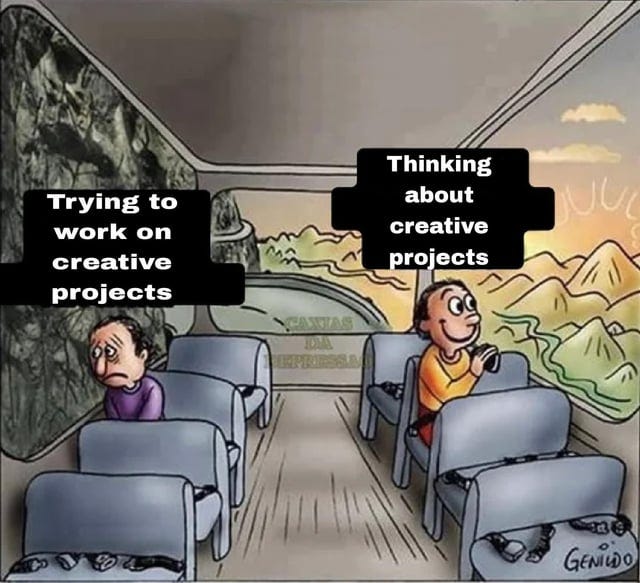
One of the things we focus on in class discussions is having conversations that may possibly arise in the real world. As a consequence, I end up becoming rather close with many of the people with whom I work. After all, you can’t spend that much time speaking to someone about success and failure and love and dreams and goals and history without becoming friends.
Conclusion
Original works are powerful tools for your second language acquisition. Whether you are consuming them or creating them, they will serve to improve your vocabulary, enhance your ability to think, and, hopefully, elucidate obscure grammar technicalities. That said, the biggest trap language learners fall into is relying too much on consumption.
Production, speech and writing, is far more difficult. Listening comprehension is mostly a function of time. Reading comprehension as well. Speech and writing are dependent on you speaking and writing. It is difficult, but you can do difficult things and become great. So go and create something incredible. You never know the dividends your efforts will pay in the future. I am rooting for you.

If you’re working on your Spanish, grab the free Spanish PDFs to supplement what you learned in this post. For the complete system, including targeted vocabulary guides and the language patterns framework, upgrade to a paid subscription.
I also offer a 12-week Conversational Spanish course with optional weekly one-on-one sessions. My students consistently learn more in the first month than in years of traditional study. Read their reviews and get started here.
Sounds good, but surely you would need the basics first. I feel I'd spend so long researching new words it would be an ordeal