

Welcome, aspiring polyglot! When I was a kid, and still today, there were and are times where the idea of doing something was and is more terrifying than the act of doing the thing. This is largely the same for people who are learning a new language in that the act of speaking to a native speaker is, in reality, far less terrifying than the idea of speaking to someone who you might not understand.
You brain is fighting you
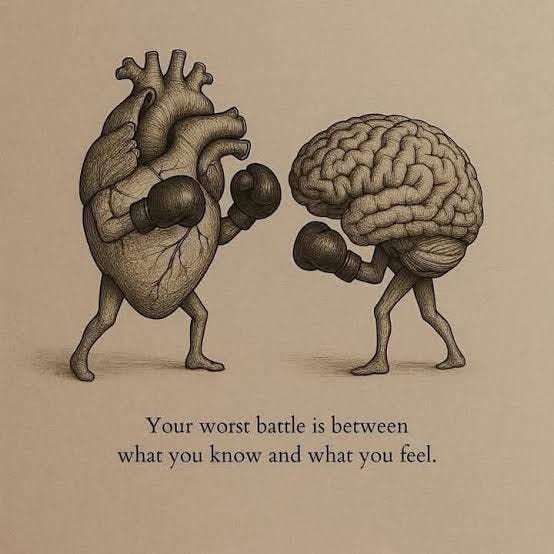
One vivid memory I have is of learning how to do a backflip. The first time took me probably three hours because I was afraid of breaking my neck. Completely reasonable, in my opinion. Once I finally stopped thinking about it and actually sent it, suddenly the process made sense. Each subsequent attempt was not only better, but less intimidating.
Speaking a new language to native speakers is far less consequential than potentially landing upside down on your neck. Still, the mechanisms in your brain are the same as what I was experiencing in that moment. A feeling I am all but certain that you have experienced previously in your life. Your brain is fighting you, but only because it is trying to protect you.

Your job is to convince your brain that what you are doing is not dangerous. Easier said than done, certainly, but that does not change the reality of your mission. The simplest way to do this is by doing the thing. Nothing will prove to your brain that you are not in immediate danger quite like doing the thing without hurting yourself repeatedly.
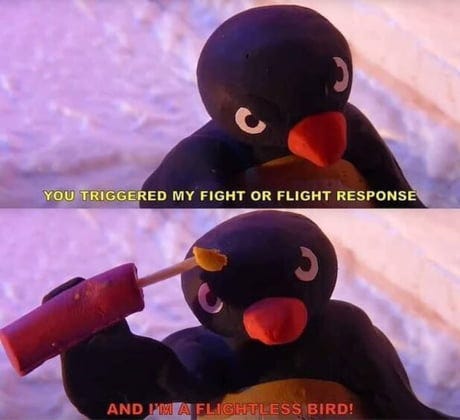
Simple, but not easy. Fight or flight is something many people reduce down to, well, fighting or fleeing. Unfortunately, this is not only a response to immediate physical danger. Rather, it is equally, if not more, powerful when it comes to emotional or psychological danger. Your brain does not want you to fail. Any time there is a chance you might fail, you will go into a version of fight or flight.
Getting your brain to fight for you
So, how do you fix it? As mentioned above, doing the thing is the number one way to convince your brain to fight on your side, rather than to try and preserve you is by doing the things. That said, there is a method to the madness. You don’t have to go out and do a backflip to start building your confidence. Instead, you should start with something far smaller.
Ultimately, this is all that truly matters: doing one thing every day that scares you. One thing that you can do, that you will do, and that you will survive failing. Start as small as necessary. Make a phone call, if that’s something that scares you. Talk to a stranger, if that is something that scares you. Join a club, if that is something that scares you. If you don’t feel apprehensive, you are not pushing yourself enough.

Being inside of your comfort zone precludes you from growing. As difficult as it is, the only way to improve is by forcing yourself into uncomfortable situations. Especially when it comes to things like speaking with other people. The advantage of doing these things is that you will feel the reverberations across a variety of domains, not just in your language acquisition.
Building the muscle
Learning a new language can and should result in your speaking and understanding your native language better. That is only one of the many areas where the skills you are developing throughout your language acquisition should bleed over into the rest of your life. If for nothing else, that is a phenomenal reason to take this muscle building seriously. Here’s how to do it:
Write out 5 things that scare you
Negotiating
Cold calling
Speaking in public
Running a 5k
Swimming 1k
Teach someone something
Choose one thing that you can do, that you will do, and do it immediately
The sky is the limit here. I don’t know what scares you. Maybe you don’t even know. So rather than limiting yourself to scary things, you can include new things. Doing new things is often reason for apprehension, that is the feeling we are after. Feel apprehensive, then do it anyway.
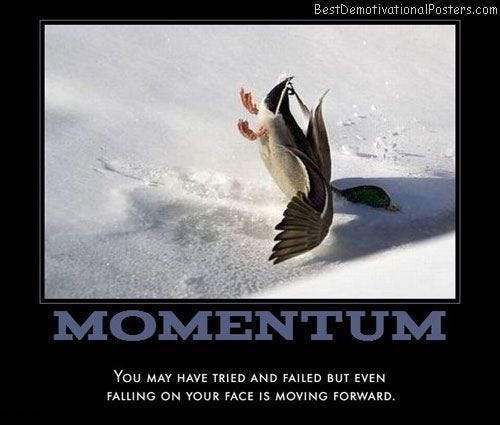
DO NOT give yourself time to think.
This is the crux of it all. The one thing you have to figure out in order to never have to worry about training this muscle again. Act without thinking (within reason) and figure it out. Something I’ve realized as I’ve gotten older is that doing things before I’m ready has almost always proven useful. You will figure it out, you just have to convince your brain of that.
Reward yourself
That’s it. A simple 3 step positive feedback loop that you can use as propulsion toward your goals, beyond bilingualism. An amazing piece of language acquisition as a field of study is that the skills you develop while learning a new language are easily transferrable to other areas of life.
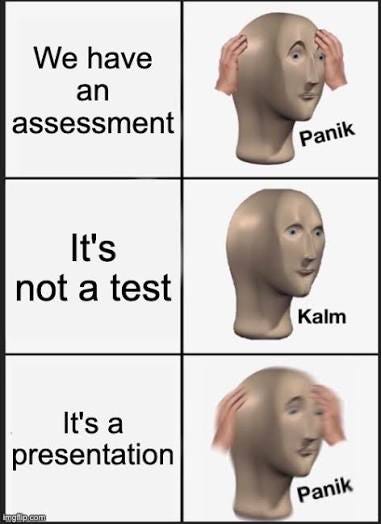
While you are training yourself to think before you act, you might not actually feel the improvements you are making. Not until you find yourself back in the previously terrifying circumstances that you were working to master, that is. For that reason, at the end of your list of things that scare you should always be “speak to a native speaker”.
Conclusion
It is kind of wild that the very self preservation mechanisms we develop from birth begin to work more and more against us as we age. This is true of a lot of things. In a way, much of foreign language acquisition is targeted at staying young. Maintaining your neuroplasticity. Finding your childlike wonder. Making friends with new and interesting people using your new skills.
The older you get, the harder it will be. Right now, whatever age you are, you are never going to be younger than you are right now. There truly is no excuse to wait any longer to start doing the things that scare you. Every little win will compound and you will become unstoppable. It will be difficult, but you can do difficult things and be great. So get out and do some difficult things and become great. I am rooting for you.

If you’re working on your Spanish, grab the free Spanish PDFs to supplement what you learned in this post. For the complete system, including targeted vocabulary guides and the language patterns framework, upgrade to a paid subscription.
I also offer a 12-week Conversational Spanish course with optional weekly one-on-one sessions. My students consistently learn more in the first month than in years of traditional study. Read their reviews and get started here.