

Welcome, aspiring polyglot! Nearly every new student I have comes with the same issues. That is, there are a lot of things that are taught in schools that do not actually serve language learners. Especially with regards to the Spanish language. In fact, many of the things people think they know are merely things they were told. While it is helpful to know what things mean instead of what they translate to in many cases, it is still vital to know the actual translations.
Gustar
Almost universally, when it comes to the verb gustar in Spanish, people believe, or at least associate, it with the verb to “like” in English. This makes sense if we are translating for meaning. Of course we say “I like x” in English, so why would it be different? Well, because “gustar” means “to please”, not “to like”.
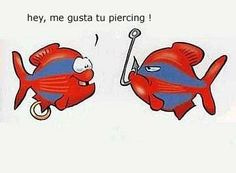
This makes sense when we think about the word “gusto” as in “mucho gusto” or “much pleasure. What many who learned Spanish in the public school system have come to believe means “nice to meet you” and that’s because, well, it does. What it translates to, however, is different. By layering these various meanings over the actual translations the way Spanish is largely taught has caused more problems than not.
Once we know that “gustar” means “to please” it is far easier to understand the conjugation. After all, if it was “like” we would say, “yo gusto” and not “me gusta”. Since we are saying x pleases me, it follows logically that the verb needs to be conjugated for x and not for me. Learning, or worse teaching, that “me gusta” means “I like” may be true, but it is more harmful than taking 5 more minutes to explain why it is not that simple.
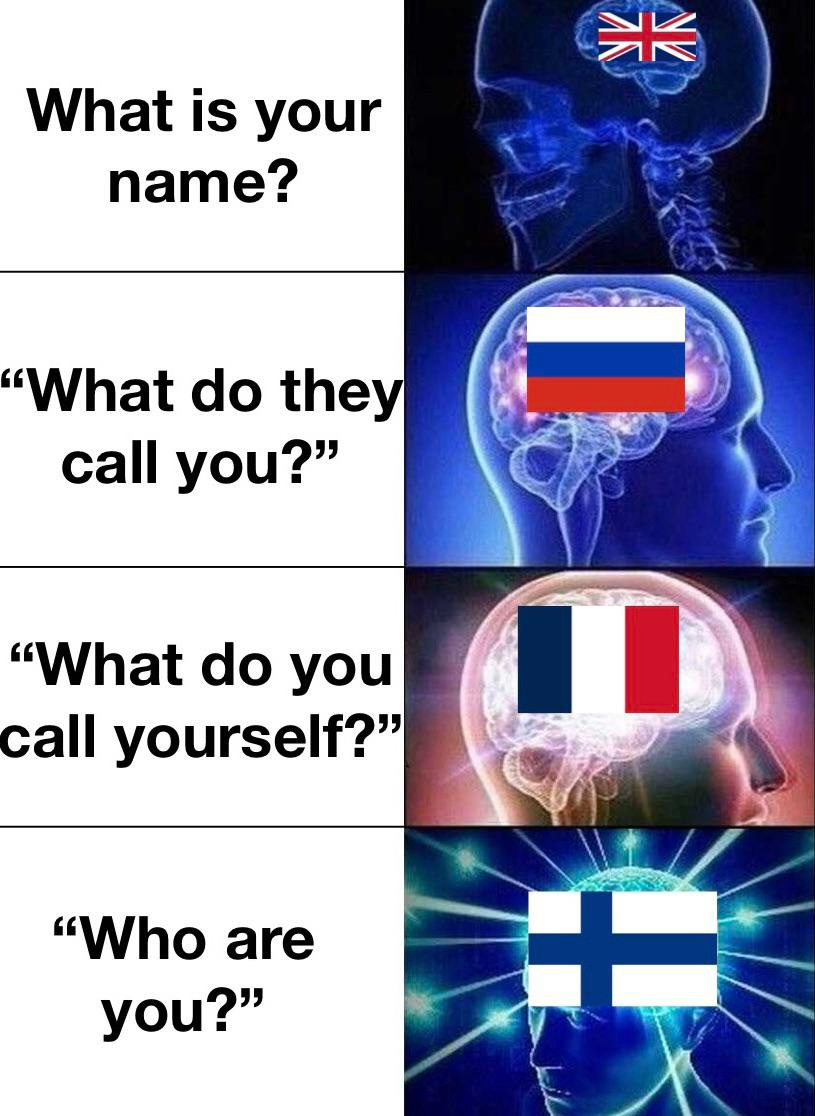
By making this small switch in your brain, you will be able to express you wants better because you can immediately employ the polite “me gustaria” knowing that it translates to “it would please me” rather than “I would like” even if the meaning remains the same. Learning to understand meaning over translation is a huge step, but without the foundations it can be tenuous.
Hasta
As with the above, “hasta” is often taught to be understood in conjunction with other terms. This is fine, for a phrasebook. However, when it comes to practical, useful language, thinking of “hasta” as part of “hasta luego”, “hasta pronto”, or “hasta mañana” (see you later, see you soon, and see you tomorrow respectively) is rather detrimental to long term success.

Hasta has nothing to do with the verb ver and the verb ver has nothing to do with the word hasta. Instead, it is well worth it to learn to read the word as “until”. Yes, that makes the “see you” examples slightly different, but this is why I always recommend direct translation during the early stages of language acquisition. You need to know the direct to truly integrate the implicit. For more on that, read here:
Using Direct Translation for Second Language Acquisition

Welcome, aspiring polyglot! As we know, mainstream advice is generally not worth taking if you are looking to break out of being normal. Approaches to learning a language are no exception to this rule. One of the most atrocious pieces of advice that I find holds most people back is, "it's bad to directly translate". Is direct translation accurate and/or…
The utility of “hasta” reaches beyond the word “until” in English, but understanding it as until will make those other opportunities make more sense as you come across them in the wild. This is one of the most misinterpreted words I come across with new students. It makes sense to teach it that way when passing a test is the goal.
At the end of the day in order to accurately interpret meaning, you have to know the mechanisms leading to linguistic variance. If you don’t understand why something is happening, using it correctly is exponentially more difficult. Yes, with enough time and exposure you can build an incredibly close approximation. Learning the direct translation and sentence formation is just easier, and faster.
Bueno vs bien
This one is pretty simple. Most people associate these with good and it is not because they are taught incorrectly, though they may be. Rather it is because a great many native English speakers are unable to speak English with proper grammar. What is the correct answer to “how are you” assuming you are going to respond with what most people say?

The correct answer, grammatically, is “I am well” not “I am good”. Fortunately, the mechanism is also very simple. Good is an adjective and well is an adverb. All that means, for you, is that you will use “bueno” or variations with an accordance between gender and plurality (buena/buenos/buenas), to describe nouns. So, good for people, places or things.
Bien, on the other hand, will never have to worry about a gender accord because the word bien is only used to describe verbs. Something being done well, for example. Now, in Spanish it is often used as an enhancer as well for “very” but always with a verb. You have to be careful, of course, because that verb could come in the form of a past participle. For more on those, read here:
How to Master Grammar in Romance Languages

Welcome, aspiring polyglot! I have long fallen on the vocabulary side of the debate when it comes to determining whether grammar or vocabulary is more important when learning a new language. A large part of this is that I view grammar, particularly conjugations, as an extension of vocabulary rather than a separate beast in and of itself.
Conclusion
I understand the desire to jump straight to understanding the meaning. Especially in those moments when direct translation fails you. But in order to sprint you need to be able to walk with confidence. Walking is direct translation and it is just one step you will need to take on your way to fluency. Unfortunately, for many people that means unlearning bad habits.
The process of unlearning things is more painful than it ought to be, but you only have to do it once. Plus, once you get to the part where translating for meaning is actually effective, you already have a leg up because those same things hurting you now will come back to serve you in the future. It is difficult, but you can do difficult things and be great. So get out and do some difficult things and become great. I am rooting for you.

If you work in healthcare, I’ve built Medical Spanish and French Handbooks with dozens of clinical patterns and vocabulary frameworks you won’t find anywhere else. Available to paid subscribers.
I also build custom courses for professionals. Doctors, nurses, engineers, and anyone who needs targeted language skills for their field. Every program is tailored to your specialty, your patient population, and your schedule. Learn more and get started.