

Welcome, aspiring polyglot! Over the past few years I have realized that the vast majority of people truly do want to learn and improve. The results of language acquisition within the public education system may suggest differently, but I have seen too many people work way too hard to believe this is a people problem rather than a system problem. For that reason, I want to talk habit development.

Forming a habit
There is something called the 21/90 rule which states that it takes 21 days to form a habit and 90 days to make it permanent. While there are obviously other variables at play that can make things more complicated, let’s assume that the core idea is true. Three weeks to build a habit, three months to integrate it into your daily life permanently.
If you had a roadmap to build the habits that would take you to fluency in a matter of months or years, would you use it?
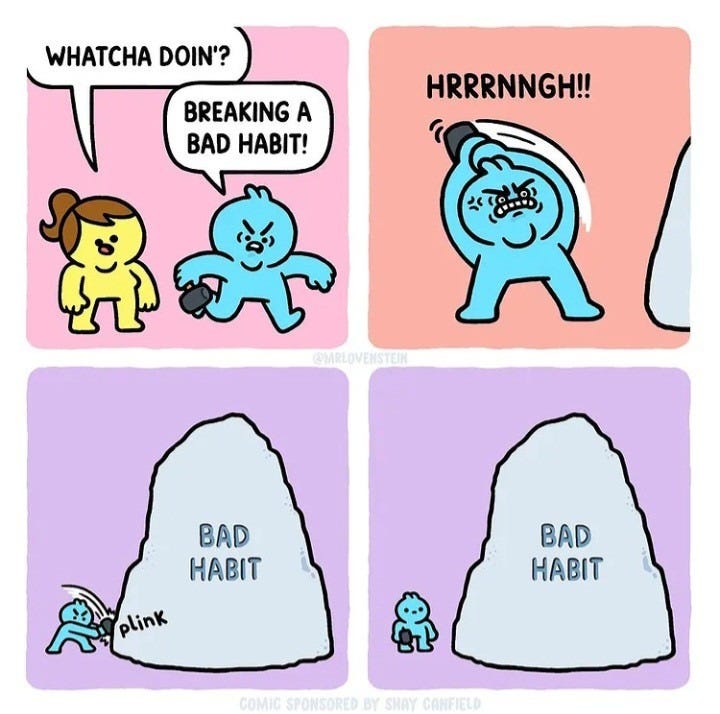
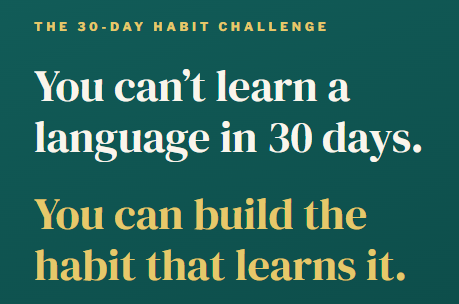
In the month of August, I will be running a Habit Building challenge with the goal of helping people develop the proper habits to not only master their current target language, but any foreign language they wish to learn thereafter. 30 days of targeted activities to maximize the study time of anyone who wishes to join. Designed specifically for working adults and parents.
Most people know why they want to learn a language, most people even know how to learn a language, at least in theory. So I want to provide the “what” as in what to do every day so that you can look back after one month and be proud of how much you have accomplished. Hopefully more than you ever have in your target language before.
One of my students kept the very first sentences she ever wrote before class started. Then, I took her week 6 homework sentences that she wrote. Look at how far she has come in under two months!


One month will never be enough to get fluent. It will probably never be enough to reach a conversational level. However, it is more than enough time to put the habits into place that will result in fluency in any number of languages. Once you understand what to do and why you are doing it, everything becomes almost formulaic. Plug and chug, as my old calc teacher used to say.
Building things that last
Everyone wants something that works instantly. If you are here, especially if you have been reading for a while, you know that I won’t lie to you about how long things take. The amount of work it is necessary to put into developing any skill is consistently understated by people who are trying to sell false hope. If you want to ~master~ a new language, it is going to take you 10,000 hours.

Building things, especially things that last takes time. I also find that many of these salesmen have begun to freely interchange the words “easy” and “simple” which are anything but synonymous. Learning a new language is simple. In fact, language acquisition is completely solved. At this point, anything other than successful language education is a deliberate choice.
Nevertheless, it is one of the more difficult things that you can do, especially as a working adult, especially especially as a working parents. Sometimes all that is missing is a roadmap. Having a mentor is tremendously beneficial. In fact, I cannot overstate the benefit of having a high quality mentor. Not because they know how to do everything right, but because they have already made the mistakes.
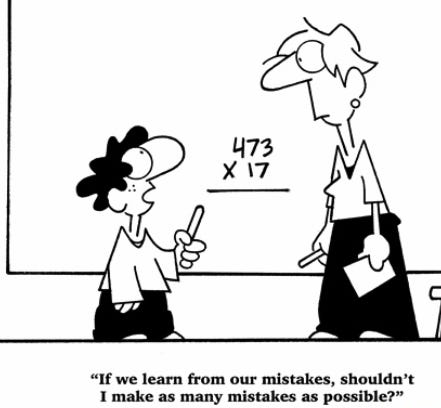
Wherever possible, you should be learning from the mistakes of others. Learn what not to do, find out what is and what is not a waste of time, do not reinvent the wheel until you intimately understand how the wheel works and why. If you must make your own mistakes, track them at the very least. Otherwise you may find you are making the same mistake years into learning.
The last thing you need to do if you want to build something that lasts is keep going. It doesn’t really matter how many times you fail. It doesn’t really matter how many times you give up, as long as you come back later. Of course, if it is possible to avoid giving up then that is ideal, but I know many a polyglot who gave up on a language for years at a time before returning and mastering it.
Just keep showing up and the progress will follow. It is impossible to avoid given a long enough timeline. That is one of the reasons I wanted to do this challenge in the first place. I will give you the metrics for what “showing up” means. Then I will give you the ways to integrate exercises into your daily routine so that showing up doesn’t feel like work. The goal is lifestyle change.

It worked too well
One quirk I have noticed among human beings is that when things are going well complacency doesn’t just stop progress, it ends up causing people to stop entirely. “It worked so well that I stopped doing it”, in short. Think back in your life, there is more than likely an instance of you doing this very thing whether it be with regards to exercise, nutrition, education, or something else, it is normal.

Just because something is normal, however, does not mean it is the ideal for which we should be striving. This is the reasoning behind a month long challenge. If 21 days is enough to form a habit, I want to go for 30 days to ensure that the “it worked too well” syndrome doesn’t have time to rear it’s ugly head. Beyond the 30 days I will also provide a 14 day momentum guide for after the challenge.
Ultimately the only thing you get out of such a challenge are the habits to learn any new skill, the concrete progress you make in your target language, and, hopefully, a greater appreciation for what you can do in 30 days provided the right guidance. If that is something you want to be part of, then make it happen.
Conclusion
Whether or not you want to join the August challenge, developing the right habits is a gamechanger when it comes to progressing toward any goal you might have. You want to be more fit? Habit development. You want to become exceptional at a skill? Habit development. You want to become fluent in a new language? Habit development. That does not, however, mean you have to do it all alone.
I mentioned before the benefit of having a mentor, but what I did not explicitly mention is that the benefit is being held accountable. No one cares more about your success than you do. That is true. However, no one is quite as susceptible to your excuses as you are either. If you don’t want to join us this next month, find someone who will hold you accountable for your actions. I am rooting for you.

Not sure where to start? Start Here! This maps out the entire site based on where you are right now.
Want something you can use today? Grab the free vocabulary frameworks and practice exercises: Free PDFs