


Welcome, aspiring polyglot! If you have been learning a new language for any longer than 5 minutes, you have probably realized just how difficult it is going to be to start understanding native speakers. I’ve written about this before and the reality is that you need at least 1000 hours of listening to native speakers at natural pace to get to the point where you can understand something approaching everything.
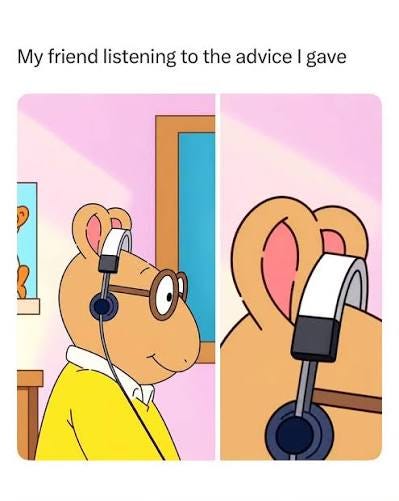
The vast majority of the time for the vast majority of people, it will be even longer than that to reach at true 100% comprehension. Fortunately, you do not need to understand 100% of the words someone says in order to speak confidently. In fact, you don’t even need to understand 100% of the words you hear in order to be considered fluent in a language. Still, it is a good feeling. So how do you get there?
Dictation
I’ve said it before and I’ll say it again. If you want to make progress quickly, you have to do things that are far from enjoyable. When I say that learning a new language should be fun, I don’t mean you should enjoy every second. What I’m really saying with that statement is you shouldn’t feel like it is torturous every time you sit down to work on your target language.

Two torture sessions per week is more than sufficient! And these torture sessions should be limited to 30 minutes AT MOST. The diminishing returns on dictation exercises come quickly. Frustration is very good at clouding the mind. If you keep doing things that frustrate you rather than walking away and taking a breath, it will only get worse. I’ve seen it countless times.
So, how can you use dictation? What even is it? In short: transcription. You will listen to an audio, you will write down what you hear. That’s it. No magic pill, no secret sauce, no psychologically manipulative “you did it!” streak. Just you and your weaknesses laid bare in a way that is more clear than you may have ever experienced before.
As far as complete set up goes, there are a lot of ways to set this up and you should use the method that works best for you. In order to find out what that might be, read this:
The Missing Piece in Your Foreign Language Studies

Welcome, aspiring polyglot! There are plenty of things that you can do to get out of the silent period of language acquisition, but there is one thing you absolutely have to do. No matter how good you get, there will always be a piece of you that is translating from your native language to your target language in your head. Knowing this causes many lang…
Read along
Once you’ve had enough of that, you can take on the easiest of the three methods we will be addressing today. That is reading along. Preparing your mind, and your ear, for words that you don’t have to try and see in your mind is incredibly helpful for training your ears. Slowly, but surely, you will find that you are able to differentiate between words and, hopefully, begin to read ahead.

While this exercise is the easiest of the three for today, keep in mind that also means you should be in a position to work on this exercise for up to an hour at a time. You don’t really have to do anything. Someone else is reading something that someone else wrote. All you have to do is keep up with the orator. You can even pause and rewind if you fall behind.
In my ideal world, you are also repeating the thing the orator is saying after he says them to ensure you are pronouncing things correctly and quickly. If you haven’t already begun reading aloud, read this and learn why you absolutely must start reading out loud today:
Reading aloud? Reading along.

Welcome, aspiring polyglot! Reading can benefit you in many ways. Not least of all in that you can modify it in so many ways that can contribute to your language acquisition differently. From reading aloud to reading along, active consumption of quality literature will enhance and accelerate your language acquisition. Not only that, but these strategies…
At the end of the day, you can only speak as fast as your muscles can move. If you know it takes you 20 muscles to speak a language, getting frustrated because your muscles don’t have the requisite training to move at the speed you are demanding is pointless. There are plenty of frustration points in language acquisition, you don’t need to make your life any more difficult than it already is.
Read ahead
Once you’ve mastered the art of reading a page top to bottom without stumbling over your words, it’s time to start reading ahead. This requires you to be proactive and begin with a better understanding of the material at hand than you might usually be. In fact, you should be familiar with every word that is about to be said in whichever audio you choose for your session.

Here’s how it works:
Choose an audio. The only criteria is that it must have a transcript available to you.
Read through the transcript
Use this as an opportunity to learn new words, understand new concepts, and develop your language skills outside of listening. You should find new words and new grammar concepts, new expressions, new idioms, and new ways to say things that you may have not previously considered. Read it 2 or 3 times to make sure you really understand the points being presented.
Play the video and listen intently for everything you know is coming.
The anticipation of what will be said, knowing what is coming and when, should make the entire process of listening to the audio less daunting. Words should be clear and you are really only at risk of losing track should the person say something in a way that you are not expecting whether that is due to their accent or their cadence.

Doing this correctly will help you with one of the other most important pieces of your language acquisition journey: confidence. Sure, in real time you might not be able to get everything all the time. However, you do know the words and you do know the grammar and you do know what to do. Once you have done this 3-5 times, you will have enough data to begin targeting your weaknesses.
Conclusion
At the end of the day, all of these exercises are for precisely that reason: to address and remedy your weaknesses in your target language. Doing them at different times to different degrees should supply you all of the data requisite to propel yourself toward fluency. If you are struggling to figure out what to do next, consider reaching out and I will help you get set up for success.
Listening comprehension is the hardest part of learning a new language. Sure, everyone has their opinions, but objectively listening comprehension is the only aspect of language acquisition that necessitates thousands of hours. It is difficult, but you can do difficult things and be great. So go out and do some difficult things and become great. I am rooting for you.

If you’re new here, start with this guide. It walks you through everything on this site in the order that will actually help you: Start Here
Ready for personalized instruction? I offer private 4, 8, and 12-week language courses. 35 out of 35 students have reached conversational ability. Learn more here.